Medical tourism—the act of traveling to another country or state for a lower price on plastic surgery—usually costs less upfront. However, it often costs more in the long run once complications, revisions, and lost time are factored in.
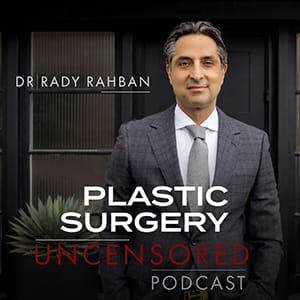
Dr. Rady Rahban is a board-certified plastic and reconstructive surgeon in Beverly Hills, certified by the American Board of Plastic Surgery and a Fellow of the American College of Surgeons, who has spoken publicly, including in a KTLA 5 interview, about the dangers of medical tourism. As a surgeon widely known for correcting the mistakes of other providers, Dr. Rahban has treated patients who needed revision surgery after procedures performed abroad, and he built his AAAASF-accredited surgical center on Lasky Drive around the opposite approach: thorough consultations, board-certified oversight, and a surgical team that is still there for every follow-up appointment.
In this blog, Dr. Rahban breaks down what medical tourism actually costs and why it is rarely the bargain it appears to be.
What Is Medical Tourism for Plastic Surgery?
Medical tourism for plastic surgery is the practice of traveling outside your home country or state to have a cosmetic procedure performed at a lower advertised price. According to the CDC, these procedures are often marketed as all-inclusive surgery packages that include recovery stays at resorts or hotels, which can make the total price appear more attractive than it really is.
Why Do Patients Consider Medical Tourism?
Patients typically choose to travel for plastic surgery for a handful of reasons:
- Lower advertised procedure cost
- No waitlist for a preferred surgery date
- Marketing that frames the trip as a vacation
- The perception that a procedure abroad is simpler than seeking a specialist at home
These reasons are understandable, but they rarely account for what happens if something goes wrong.
What Are the Hidden Costs of Medical Tourism?
The advertised price of surgery abroad is rarely the final price a patient pays. Once the full picture is added up, the total can easily exceed what the same surgery would have cost with a board-certified surgeon locally.
Hidden costs include:
- Revision surgery: Corrective surgery back home is often more complex and therefore more expensive than the original procedure.
- Travel expenses: Flights and lodging, both for the initial trip and any follow-up visits, add to the bottom line.
- Lost time: Time away from work during travel and recovery carries its own cost.
- Complication treatment: Treating an infection or complication once a patient returns home is rarely covered by the original price quoted abroad.
What Are the Health Risks of Traveling for Plastic Surgery?
The health risks of medical tourism are statistical, not hypothetical.
A 2026 CDC report reviewing consultations from 2014 through 2024 found:
- Roughly 145 patients with adverse outcomes tied to travel for cosmetic procedures such as liposuction, abdominoplasty, and breast augmentation
- A number of confirmed or suspected nontuberculous mycobacteria infections
- Four patient deaths
- Postsurgical infections in the large majority of the consultations reviewed
Flying home soon after surgery adds a separate layer of risk. The CDC advises:
- Patients should avoid flying for 10 days after chest or abdominal surgery, since cabin pressure changes can increase the risk of blood clots
- The American Society of Plastic Surgeons recommends waiting 7 to 10 days before flying after facial procedures
- Patients who travel for a quick, low-cost surgery often do not build that recovery window into their trip, raising their risk of complications on the trip home
Considering Plastic Surgery? Dr. Rahban Offers a Safer Alternative to Medical Tourism
When the full picture is considered, medical tourism rarely holds up against that kind of oversight. The savings on the sticker price tend to disappear against the risk of infection, the possibility of needing revision surgery, and the difficulty of reaching your surgeon once you are back home. Facilities and oversight vary widely by destination, and a lower price abroad often reflects a lower standard of accreditation, sterilization, or aftercare.
Dr. Rahban performs procedures at his AAAASF-accredited surgical center on Lasky Drive in Beverly Hills, staffed by a board-certified anesthesiologist, surgical technicians, and dedicated recovery nurses. He is available in person for every follow-up appointment rather than via a video call from thousands of miles away. Dr. Rahban believes every patient deserves a thorough, honest consultation and a surgical plan built around safety, not just price.
If you are weighing your options for plastic surgery, schedule a consultation at his Beverly Hills practice to talk through the procedure, the cost, and what recovery will actually look like.
Disclaimer: This information is provided for educational purposes only and does not replace a consultation with a board-certified plastic surgeon. Outcomes, risks, and suitability vary from patient to patient.