Brow Surgery also known as a
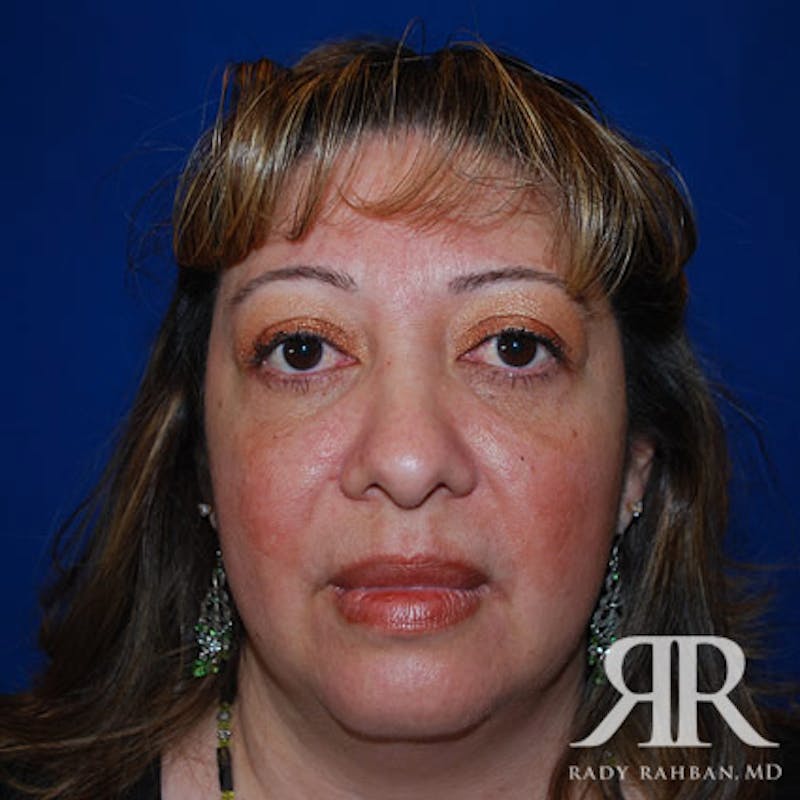
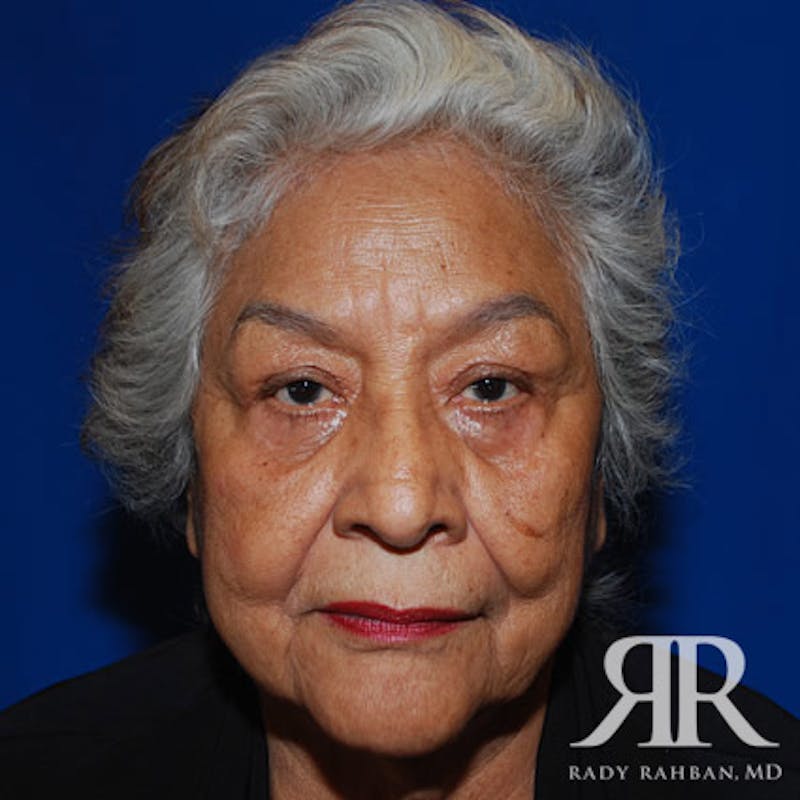
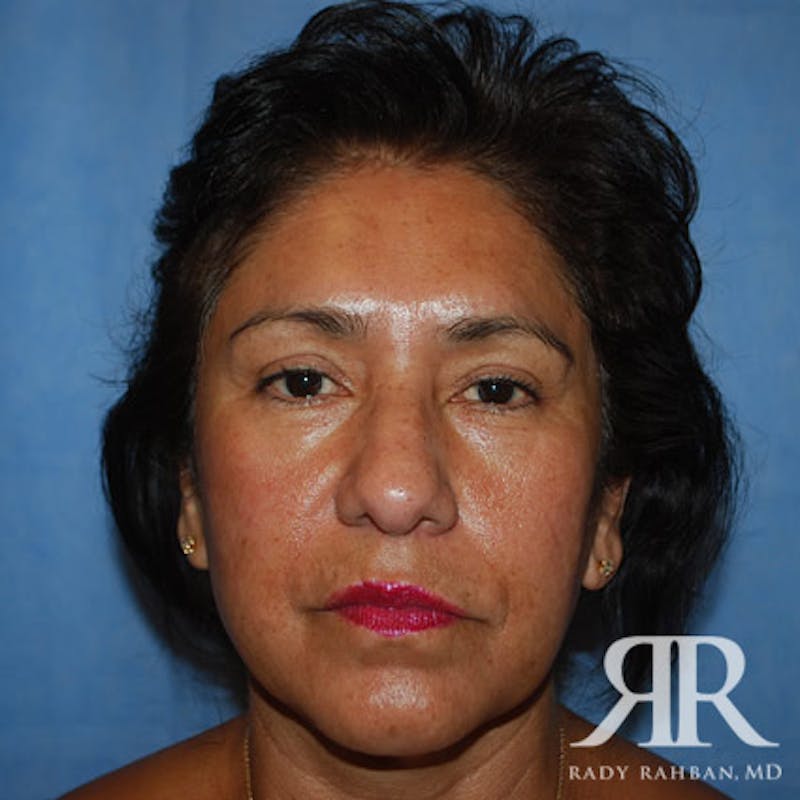
Browlift, addresses the decent or downward migration of the eyebrows as one ages. Patients often find that as they approach their late 30's to early 40's that their brows are beginning to lose that youthful appearance and present complaining of a tired and angry look. Women usually present earlier than men, wanting back the high arch of their brows they used to have.
As the eyebrows begin to sag, this translates to increased fullness over the upper eyelids. Often patients are misdiagnosed as needing an upper blephoroplasty (excision of excess eyelid skin) when the real problem is lowering of the eyebrows. A blephoroplasty will actually worsen the brow decent by actively pulling it down.
Lifting of the eyebrows can be done one of several ways. For very early decent, Botox of the crow's feet and forehead (in the right locations) can give the impression that one has had a browlift.
For individuals with slightly more decent, an Endoscopic Browlift is recommended. An endoscopic brow lift can be especially attractive to those candidates with insufficient hair to conceal scarring. Because an endoscopic brow lift requires such small incisions, many patients may be attracted to this less invasive procedure; endoscopic brow lifts have reduced risks of side effects associated with surgical wounds, such as infection. During an endoscopic brow lift consultation, the doctor will review the same information as for a traditional brow lift. The endoscopic brow lift candidate should be prepared to answer questions about medical history and expectations for results of endoscopic brow lift surgery. If the individual is a good candidate, a date will be set for the endoscopic brow lift during the consultation. This procedure is an ambulatory surgery, with the patient arriving for their endoscopic brow lift and returning home immediately following recovery. In most cases, the endoscopic brow lift is conducted with the patient under IV sedation or general anesthetic, so before your endoscopic brow lift, you should arrange a ride home, as you will be unable to drive. During the endoscopic brow lift, the doctor will make small incisions (between one and five) just behind the hairline. The endoscopic brow lift utilizes a tiny camera and light, so the doctor may observe the progress of the endoscopic brow lift procedure on a video monitor. In other ways, there are few differences between an endoscopic brow lift surgery and a traditional brow lift. You will need to return in the days following the endoscopic brow lift for the doctor to monitor healing, and to have the sutures removed. Follow-up for endoscopic brow lifts usually requires a series of appointments over the course of one to three months; most endoscopic brow lift patients return to work within a week of their procedure, and results are noticeable immediately.
Endoscopic brow lift information is available from a variety of sources, although a doctor familiar with endoscopic brow lift surgery may be able to provide you with detailed information specific to your situation. Contacting an endoscopic brow lift surgeon may help you to decide if this surgery is appropriate for you.
Finally, if the eyebrow decent is more extensive a traditional Coronal Browlift can be done. While a traditional brow lift addresses the overall appearance of the forehead, procedures like the coronal brow lift pinpoint specific regions to correct. For patients who would like to raise their brow line, a coronal brow lift may be the perfect answer. This method of brow lift is also known as a "headband incision", and involves removing skin from the scalp just beyond the hairline. The coronal brow lift is technically the simplest brow lift procedure to perform, since the entire forehead flap and all of the muscle and bone are easily visible.
The coronal brow lift procedure lengthens the forehead and raises the hairline as the forehead is lifted. To perform a coronal brow lift, the surgeon makes an incision from ear to ear, lifts the forehead and removes the excess skin from the scalp. Coronal brow lifts are ideal for individuals who have short foreheads, but do not usually produce the ideal results for patients who already have larger foreheads. In fact, coronal brow lifts are not performed as commonly anymore, since they may lead to hair loss. Additional risks associated with a coronal brow lift include numbness and scarring, as well as a longer recovery time associated with the coronal brow lift, because of the large incision. To an extent, the coronal brow lift has been replaced by other brow lift techniques such as the endoscopic brow lift, but in some cases, a coronal brow lift is still the most effective way to address the patient's needs and provides the best results.
To determine whether or not you are a suitable candidate for a coronal brow lift, you should consult a board-certified plastic surgeon in your area by choosing a state bleow. Cosmetic surgeons can give you a great deal of information on coronal brow lifts as well as other techniques and methods to rejuvenate your appearance.
Browlifts are often done in combination with Blephoroplasties and/or Facelifts as the ideal goal is to maintain harmony throughout the face.
Recovery:
Endoscopic Browlift: This is very well tolerated surgery. Patients usually complain of minimal pain, well controlled with oral pain medication. They can go home the same day. A drain is left in place overnight that is usually removed the following day. A head dressing is worn for several days. The stitches are removed within 1 week. Although at the end of 1 week, patients feel well enough to return to light work, we recommend taking approximately 2 weeks off before returning to work. One may shower within 48 hrs following drain removal.
Coronal Browlift: Patients should also expect to take off approximately 2 weeks before returning to work. Their is minimal pain associated with this procedure as the sensation to scalp is temporarily reduced. This can take up to 6-9 months to recover and some instances there is some residual numbness with the scalp. A drain is placed and is usually removed within the first 48 hrs. One can shower 2 days following removal of the drain. Sutures are removed at incremental times, 1 and 2 weeks. The incision is well concealed along the hairline and new hair will grow through the incision concealing it even more.